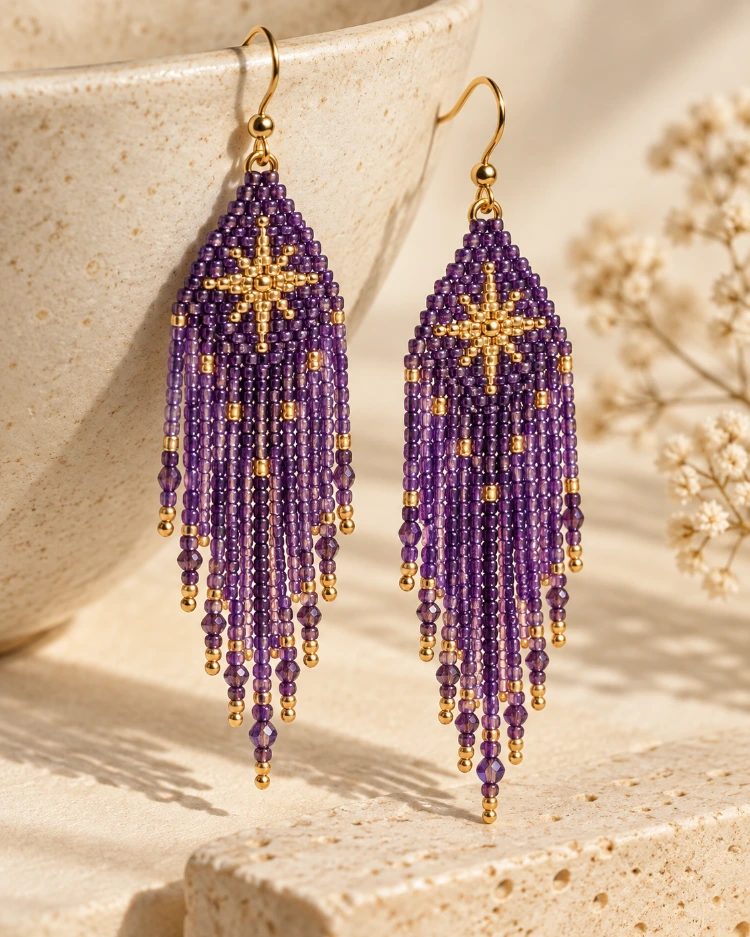
An eye pendant is easy to name. The awkward part comes a line later, when a product description moves from “traditionally associated with protection” to “protects you.” That one verb turns a design reference into a promise. The necklace can be described precisely without making it carry a claim that no inspection of beads or chain could establish.
Explain the symbol with care
The evil eye is a longstanding belief about a harmful gaze. An evil eye motif is a visual reference to that belief, not proof that a piece of jewelry has an effect. People in different places have used eye designs on objects worn as amulets. A Smithsonian collection record discusses a Kurdish charm; The Met’s amulet essay mentions a concentric bead bracelet worn in response to the evil eye. Neither source measures the effect of a necklace sold today. They give a careful editor enough background to explain the motif, and a clear reason to stop short of promising an effect.
Compare three lines on a draft page. “Evil eye motif” names what is visible. “A motif associated with protective belief” gives context. “Protects the wearer” claims a result. The third line cannot be justified by the product photograph or a cultural reference. Remove it before the page goes live.
Meaning belongs to the motif
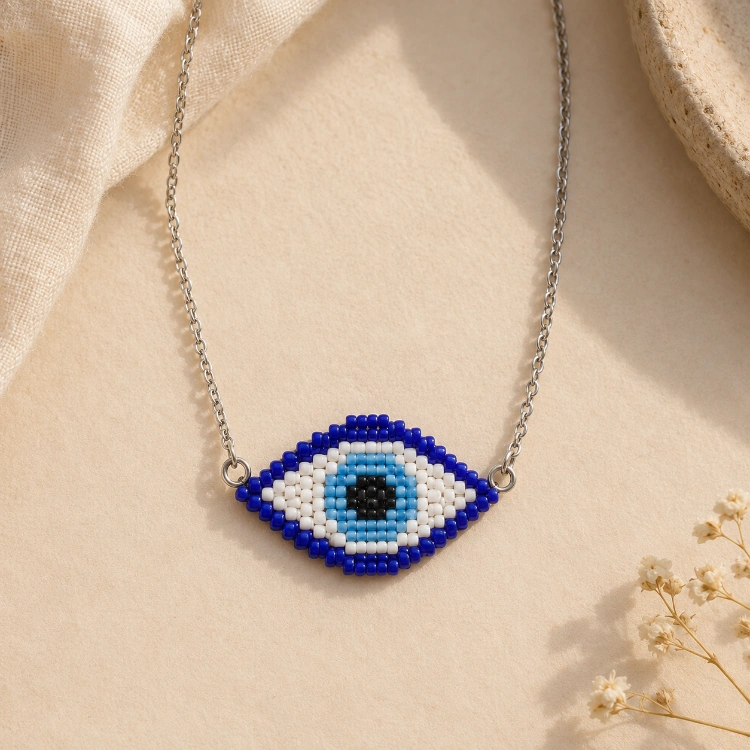
Look at the pendant before writing about its colors. Is the center round or angular? Which bead row makes the border? If blue moves from the center to the edge in another option, “blue center” belongs only to the first option. Claims about what a particular shade means travel easily between product pages. A color on this necklace does not acquire a fixed symbolic meaning just because a similar amulet elsewhere uses it.
Do not turn belief into a product guarantee
“Ward off,” “heal,” and “keep safe” are especially risky in a line that addresses the buyer directly. Use the traditional association as the subject: “The eye motif has long been associated with protection.” The piece remains a contemporary necklace. Similarity to an old amulet does not establish a specific cultural origin for the item in the cart.
Show what the necklace actually is
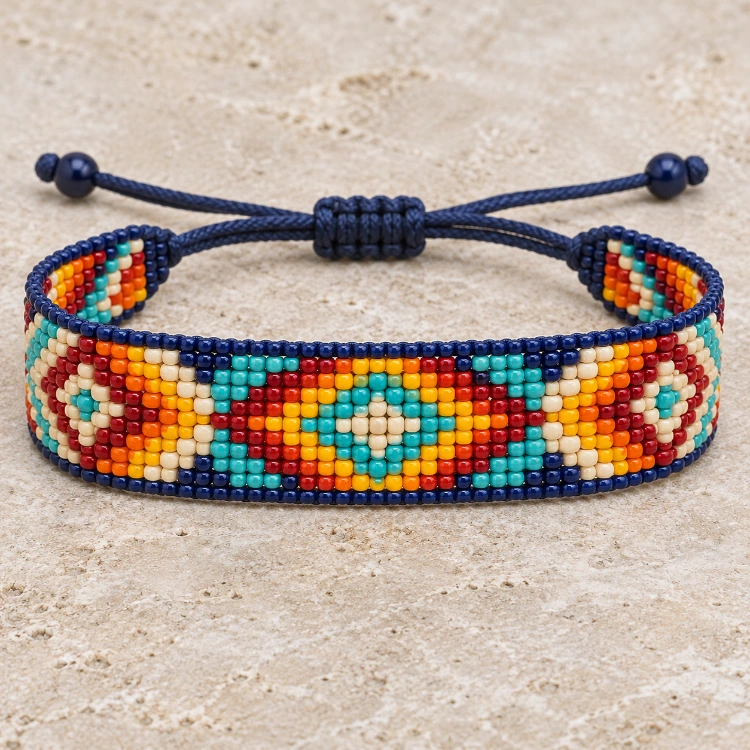
The Miyuki Bead Handmade Woven Evil Eye Necklace has its own short list of facts: handmade Miyuki beadwork, a stainless steel chain, approximately 3 grams, and an adjustable 51–80 cm length. Its eye is geometric rather than a replica of a museum object. Those numbers and materials belong to the listed style. The FTC Jewelry Guides explain why weight, size and material representations need to be accurate. Before putting them on a new colorway or a custom run, compare the actual sample and its component sheet with this version.
The distinction between these fields is easy to lose in a short marketplace listing. Miyuki is a bead name; it says nothing about the chain alloy. Stainless steel describes the chain on this page, not every clasp, jump ring, or other small part. Likewise, 51–80 cm describes this necklace. If a retailer shortens the chain for a new release, the old length must leave the copy even if the beaded eye is unchanged.
The 51–80 cm figure gives the two ends of a range, but no picture of the fastening action. Put the necklace on a display form at both settings. Does the eye stay centered? Is excess chain visible from behind? Where does the clasp land? An image can answer those questions. A subtraction between the two lengths cannot tell a buyer what mechanism creates the difference. For example, two necklaces can reach the same maximum length while leaving very different amounts of chain behind the neck at the short setting.
Write copy that can survive a colorway change
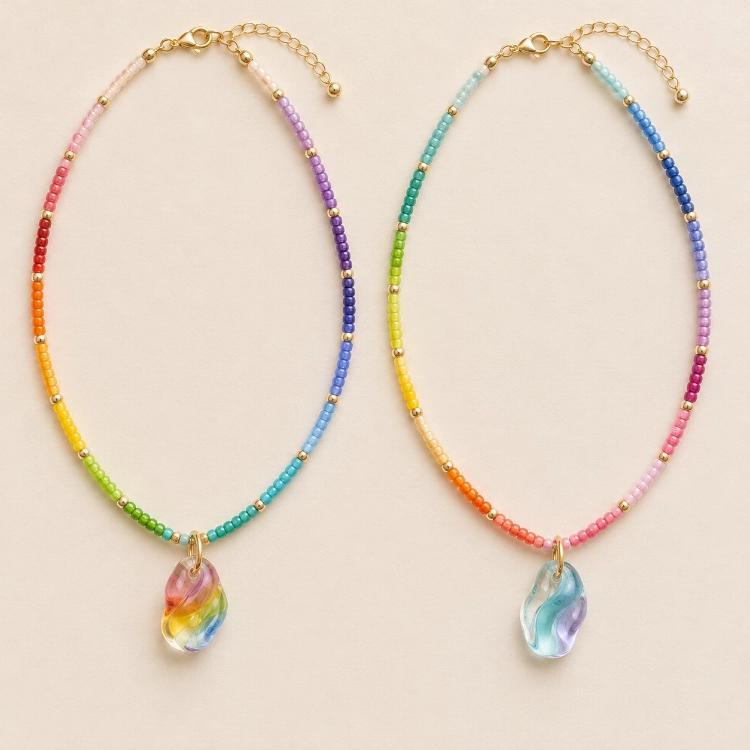
Imagine two approved samples on the desk: one with blue around the center, the other with a darker rim. The shared line “woven geometric eye” fits both. The color detail should move into each option label and caption. This matters on a phone, where the chosen swatch may sit far from the main photograph. A close image of each eye gives the shopper a fair chance to see the changed rim.
Photograph the details the copy names
The front photograph should let the eye fill enough of the frame to show its bead rows. Add a side angle for thickness and how the pendant hangs. GIA explains the value of a direct documentary view in its jewelry photography guidance. Then show the chain and fastening area. A cropped hero shot can be useful, yet it cannot carry the whole description if the copy also promises an adjustable chain and a particular length range. Those details need a view or measurement note of their own.
The reorder sheet needs a code and a photograph for each eye, along with its bead reference, chain line and length. A changed rim may still read as an eye in a catalogue image; it could nevertheless be the wrong variant in a carton. When the incoming pieces differ, the buyer can compare them with the named sample instead of searching a folder for an image that merely looks close. For example, a blue center with a white rim should not be approved against an image of the reverse color arrangement simply because both are sold as evil eye necklaces.
The working record can stay compact:
- Product code and approved colorway photograph.
- Miyuki bead reference and separate metal component specification.
- Measured length at the reviewed settings, with the sample revision.
Name materials at component level
The FTC Jewelry Guides concern claims about the characteristics of jewelry. The FTC’s advertising FAQs also explain why a marketing claim needs support. For this necklace, the beadwork and the chain deserve separate entries in the copy record. A buyer could keep the woven eye and choose a different chain on a custom order. In that case the bead description may remain accurate, but “stainless steel chain” has to be checked again. Even the clasp and small rings should not inherit a material claim from the chain without a component specification.
Cut “all natural materials”: the known parts include beads and metal. Cut “tarnish proof” unless a finish test and the covered components are recorded. Neither phrase helps identify the actual necklace. The geometric eye, beadwork, chain, listed weight and adjustable length give the editor useful details without stretching the record.
Keep the cultural line short and the product line exact
The opening need not work so hard. “Handwoven Miyuki bead necklace with a geometric evil eye motif and an adjustable stainless steel chain” tells a shopper what is for sale. A cultural note can follow: “Eye motifs have been associated with protective belief in several traditions.” Keep that note clearly about the symbol. It should not be smuggled into a benefit line about the wearer.
Keep the copy sheet with the approved necklace sample. Put the SKU, revision, bead colorway, chain material, weight and both length endpoints on it. LANCUI offers OEM work when the buyer already has a design and its specifications. Its ODM route includes trend analysis, design work, prototypes and sample development. In either case the named sample can become the point of comparison for the finished piece. LANCUI describes checks on incoming materials, monitoring during production and finished checks for appearance, dimensions and function. A buyer can ask for those checks to refer to the same revision that appears on the product page.
A chain change is a good test of that record. Keep the bead layout if the eye has not changed; revise the component and length entries. A new eye border calls for a different front image. If both change, the option may need a new sample and a fresh approval. A generic collection note cannot tell the buyer which version was inspected.
The company lists technical drawings, illustrations, 3D renders, samples, model photography and image processing among its support services. The drawing can mark the bead layout and chain attachment. A sample reveals whether the eye lies flat once the chain takes its weight. The front image lets a shopper read the motif; a rear view shows the fastening. Image processing can correct a color cast, but it cannot verify an alloy. Keep the first approved shot beside a later production shot when checking a changed shade or border.
LANCUI also offers packaging tailored to the client’s brand and the product, with options for protection during transport and display. For an eye pendant, the position of a display card matters: it can hide the border that the listing describes. Ask for an image of the approved packed sample if that is the version the customer will open. This is a presentation check, not evidence that a specific pouch or card comes with the current necklace. The company’s About Us page provides background for buyers considering a custom version.
LANCUI traces its overseas work to Hipenama, a brand started by Parisian designers Delphine and Jenny. The company places its handmade jewelry experience at more than a decade and cites BSCI certification. Its supplier network sources different materials, while OEM production combines skilled artisans with equipment for varied order volumes. This is useful background for a custom bead layout, though the agreed component sheet still decides what goes into this particular necklace.
Read the page against the sample
Place the page beside the sample card before release. Check the eye colors, bead name, chain entry and length against what is in the pack. Then read the cultural sentence alone. If its subject is the necklace rather than the tradition, and it promises protection, revise it. A new color option deserves the same short check; a copied caption can be wrong even when the photographs are right.
For a changed colorway or chain, send the exact SKU, marked photo, and proposed revision through the LANCUI contact page. Ask for the revised sample and component details first. The page can then describe the piece that will actually ship.