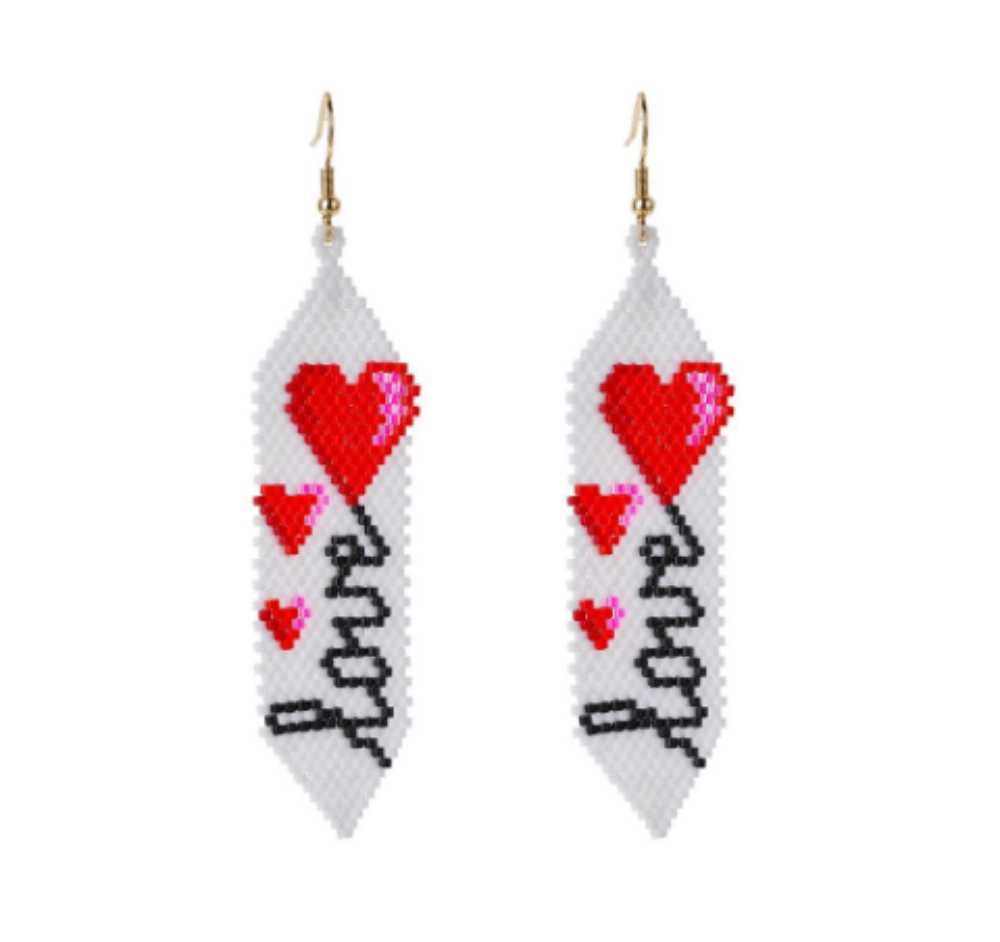
Custom letter jewelry requires stricter visual control than a random decorative pattern because the customer can immediately recognize the intended shape. One misplaced bead can change a letter, make a heart asymmetrical or cause a matching pair to look unrelated.
Quality control should therefore cover more than broken beads. Buyers need to inspect motif readability, bead alignment, thread tension, metal finish, color matching, pair consistency and packaging position. These requirements should be recorded against an approved sample before bulk production begins.
LANCUI develops handmade jewelry, Miyuki seed bead pieces, metal-detail designs and custom jewelry for brands. The same QC process can be used for letters, initials, hearts and other small symbols where the outline carries personal meaning.
Why Is QC More Difficult for Custom Letter Jewelry?
A letter or symbol gives the inspector a fixed visual reference. Customers compare its height, width, curves and symmetry even when they cannot explain the production method.
Small Errors Change the Motif
A random bead pattern may hide a small position difference. A letter cannot. One bead placed too high can make an “M” uneven, while a poorly centered row can make a heart lose its point or central line.
Inspectors should view the item at two distances. First, check it from the distance at which a customer sees it on a display card. Then inspect it at close range, where thread ends, damaged beads and uneven edges become visible.
The motif should remain readable without help from the product name. If an inspector needs to explain what the symbol is meant to be, the outline is not controlled well enough.
Color Variation Affects the Whole Series
Custom jewelry is often sold as a coordinated series. Earrings, bracelets and necklaces may use the same letter, heart or color combination.
If the red, white, black, gold or silver tone changes between products, the series looks accidental. A customer buying a set may interpret the difference as a quality problem even when each item is acceptable on its own.
Color approval should take place under a consistent viewing condition. Workshop lighting, daylight, retail lighting and phone photography can make the same bead or metal finish appear different.
Mixed Materials Add Inspection Points
Miyuki seed beads, thread, jump rings, chains, hooks, clasps and backing cards have different surfaces and wear behavior.
A clean bead pattern can still feel unfinished if the clasp is rough, the metal tone conflicts with the beads or the thread edge remains visible.
Inspectors should evaluate the assembled item as a complete product. Appearance, comfort, closure function and packaging position should be checked together rather than passed by separate departments without a final comparison.
How Should Bead Alignment Be Checked?
Bead alignment controls motif shape, pair matching and how the product sits on the body.
Pattern Symmetry and Letter Shape
Use the approved sample or released drawing during inspection. Do not rely on memory.
Check the overall height and width, straight sections, curved sections, central lines and edge profile. For paired jewelry, compare the two pieces side by side in the same orientation.
The Japanese Miyuki Seed Bead Heart Earrings require careful pair matching because the earrings frame the face. A difference in heart width, hanging height or edge shape may be visible in a mirror before the customer notices any other detail.
Where the customer has approved numerical dimensions or pair tolerances, place them on the inspection sheet. If numerical limits have not been confirmed, the signed sample and defect photographs should remain the release reference.
Miyuki Seed Bead Consistency
Check bead size, color, surface finish, hole condition and edge quality before weaving. Damaged, irregular or incorrectly colored beads should be removed before they become part of the pattern.
Material identification also affects QC. Buyers can use the checks in how to tell if seed beads are glass or plastic when confirming whether the supplied material matches the approved sample and product description.
Material control should extend to repeat orders. Record the bead reference, supplier or batch information available, thread color and approved finished appearance.
Thread Tension and Edge Cleanliness
Loose thread tension can allow rows to shift and create gaps. Excessive tension can make the motif curl, twist or become too stiff.
Inspect the product both flat and in its natural hanging position. Some tension problems are hidden while the piece is pressed against a table but become visible when it hangs from a hook or chain.
Edges should not show loose ends, exposed knots, crowded corners or beads pulled into visibly different angles. Run a fingertip carefully around wearable edges to identify rough or sharp areas that may affect comfort.
What Should Buyers Inspect in Metal Finish and Color Matching?
Metal details may be small, but they influence the perceived value of the entire item.
Plating Tone and Surface Condition
Compare the metal tone with the approved sample under the same lighting condition. Gold-tone, silver-tone, antique, matte and bright finishes can all be acceptable, but one production batch should not contain uncontrolled differences.
Inspect hooks, clasps, rings, connectors and chains for scratches, dark spots, rough edges, exposed base material, uneven coating and residues.
Parts touched during use should receive particular attention. A visually acceptable clasp may still fail the product if it feels rough, does not close securely or creates discomfort.
If the customer has approved plating-thickness, adhesion, opening-cycle or restricted-substance requirements, include the applicable test report or result in the order record.
Bead-to-Metal Color Coordination
Color matching includes bead-to-bead, bead-to-thread, bead-to-metal and product-to-card relationships.
A cool silver tone can change the appearance of warm beads. A highly reflective gold component may overpower a soft bead pattern. The backing card can also make a light or transparent bead look different.
For the Japanese Miyuki Seed Bead Heart Bracelet, compare the bracelet with related earrings and necklaces when the products will be sold as a set. The buyer should see one deliberate color system rather than three separately acceptable products.
Batch Records for Repeat Orders
Repeat orders often drift when the original sample, material reference or lighting condition is not recorded clearly.
Keep the approved sample, released drawing, bead reference, thread reference, metal finish, product dimensions, packaging image and viewing condition together.
Each inspection record should identify the order, batch, approved-sample revision, inspection stage, result and inspector. Photographs should use consistent lighting and orientation so the next order can be compared with the previous one.
How Can Brands Control Quality Before Bulk Production?
The most effective QC decisions are made before the full batch is completed. Once hundreds of pieces are woven and assembled, even a small correction can affect delivery time and rework cost.
Convert the Approved Sample Into an Inspection Sheet
Sample approval should cover the motif shape, bead color, metal tone, size, thread, clasp, packaging position and logo placement.
If the brand sells matching pieces, the Japanese Miyuki Seed Bead Heart Necklace should not feel as though it came from a different batch when placed beside the bracelet or earrings.
The approved sample should then be converted into a repeatable inspection sheet. Record:
- Motif height, width and critical alignment points;
- Pair-matching points for earrings;
- Bead, thread and metal references;
- Closure and connector type;
- Packaging position and orientation;
- Viewing and photography conditions;
- Defects that require rejection;
- Order, batch and sample revision.
Rejection examples may include missing beads, incorrect colors, unreadable motifs, visible thread ends, warped edges, exposed plating, sharp metal points, damaged closures and unmatched pairs.
If the customer has supplied numerical tolerances, pull-test conditions, color standards or an AQL requirement, those values should be placed directly on the sheet. They should not be guessed by the production or inspection team.
Set In-Process Inspection Points
Do not wait until final packing. Useful inspection stages include incoming material review, first finished sample, early batch inspection, metal-component inspection, pair matching and packaging review.
The first completed pieces should be compared with the approved sample before the production team continues. This catches changes in bead placement, thread tension or metal tone while correction is still manageable.
Workers and inspectors should use the same sample revision. If one person follows a drawing while another follows an older physical sample, the order can drift without anyone noticing the source of the difference.
Complete Final Packing and Set Matching
Final inspection should reproduce the customer’s first contact with the product.
Check whether the jewelry is straight on the card, whether earrings are matched, whether clasps and chains are placed neatly and whether the packaging protects the motif during transport.
For sets, place the necklace, bracelet and earrings together. Confirm that the bead colors, metal tones, motif scale and packaging look coordinated.
Brands requiring custom motifs, samples or packaging support can submit drawings, target colors and approval requirements through LANCUI’s jewelry services. Production timing should be confirmed only after the sample and inspection points are agreed.
Conclusion
Custom letter jewelry QC depends on controlling small details that customers recognize immediately. Bead alignment determines whether the motif is readable. Thread tension controls shape and comfort. Metal finish affects perceived value, while color matching determines whether a series looks deliberate.
Before bulk production, approve a physical sample or released drawing and convert it into an inspection sheet. Define the motif, material, pair-matching, surface, packaging and rejection requirements. Use the same sample revision during incoming, in-process and final inspection.
For repeat orders, retain material references, batch records and photographs under consistent lighting. This creates a traceable basis for comparison instead of asking inspectors to judge each order from memory.
Project drawings, target colors, packaging requirements and inspection expectations can be submitted through the LANCUI contact page before sampling begins.
FAQ
Why Is Bead Alignment Important in Custom Letter Jewelry?
Letters, hearts and small symbols are easy to recognize. Uneven bead rows can change the motif, create an unmatched pair or make the product appear poorly finished.
What Should Buyers Check in a Miyuki Seed Bead Sample?
Check motif dimensions, bead size and color, thread tension, edge cleanliness, pair matching, metal finish, closure function, packaging position and consistency with related products.
How Can Brands Keep Repeat Orders Consistent?
Retain the approved sample, drawing revision, bead and metal references, thread color, product dimensions, packaging photos and inspection records. Use the same references for every repeat order.