A custom jewelry sample can look good in one photo, but the real problem starts when the buyer asks for repeated production. Will the bead colors stay the same? Will the tassels fall evenly? Will the hooks, threads, and packing match the approved sample? These are the questions a buyer should ask before choosing a Handmade Jewelry Manufacturer. For custom collections, the supplier is not only making accessories. It is helping turn a design idea into products that can be sampled, checked, packed, and sold with fewer surprises.
LANCUI works with handmade jewelry and accessories, including OEM, ODM, ready stock, sample making, quality inspection, packaging, and product presentation support. For a buyer, these services matter because jewelry development is rarely one clean step. A style may begin with a drawing, a color board, or a market idea. It still needs material matching, handwork, sample adjustment, inspection, and packaging before it becomes a sellable collection.
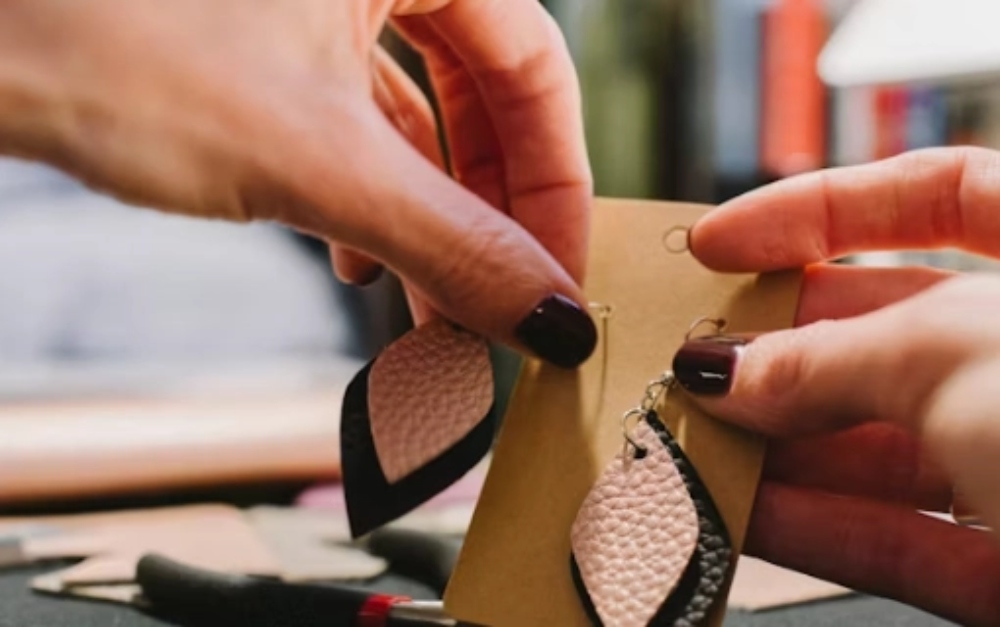
What Makes a Handmade Jewelry Manufacturer Suitable for Custom Collections?
For custom collections, buyers usually care about three things first: whether the design can be made, whether the finished pieces look consistent, and whether the supplier can communicate clearly during sampling and production. Price matters, but it should not be the only filter. A weak supplier can make the first sample look acceptable, then fail on batch details.
Before comparing samples, ask how the supplier records an approved sample. For handmade earrings, the record should not stop at one photo. It should include bead colors, pattern direction, hook type, tassel length, packing method, and any details that may change during bulk work. This simple step helps avoid a common issue: the sample looks fine, but the later batch feels different.
Artisanal Craftsmanship With Scalable Production
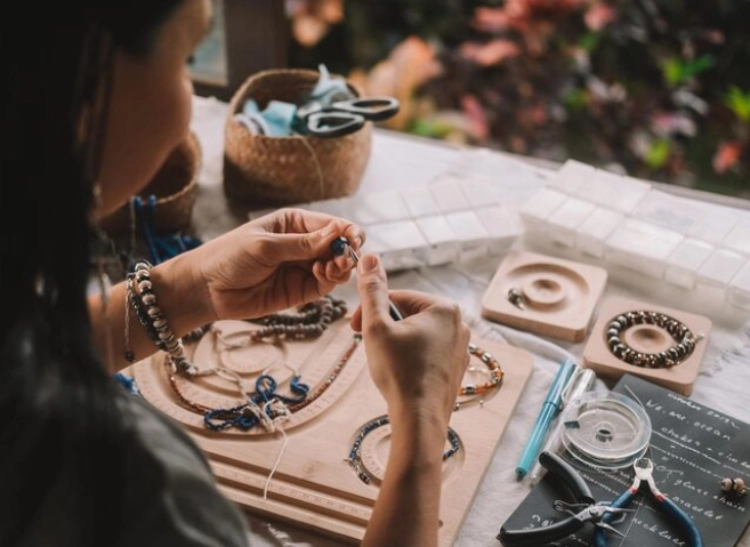
A handmade jewelry manufacturer for custom collections needs both hand skills and production control. Handmade beadwork, tassels, metal findings, thread tension, and color layout all need trained workers. If the collection needs repeat orders, the factory also needs a clear production process.
For example, a beaded earring style may look simple in photos, but bead color, row direction, tassel fall, and hook position can easily vary. Buyers should ask how workers check against the approved sample during production.
Design Translation From Concept to Sample
Many fashion brands do not start with a complete technical file. They may only have a theme, a sketch, a reference color, or a target customer group. A reliable supplier should be able to turn that idea into a workable sample.
This is where ODM support is useful. The factory should help confirm size, material, bead type, structure, weight, and wearing comfort. A custom jewelry collection should not only look special. It should also be easy enough to wear, pack, display, and reorder.
Materials That Match the Collection Story
Material choice affects the whole product. Seed beads, glass beads, hypoallergenic metal findings, tassels, threads, charms, and semi-precious stones all create different market feelings. A beach collection, an art-shop collection, and a holiday gift line should not use the same material logic.
Before confirming an order, ask the supplier why they suggest certain materials. A good Handmade Jewelry Manufacturer should explain the reason in plain terms, such as color effect, weight, texture, cost control, durability, or target retail scene.
How Do Hand Soldering Techniques and Handmade Details Shape Modern Jewelry?
Handmade jewelry sells because people can see detail in it. But detail also needs control. A piece can look creative and still have weak hooks, rough edges, loose beads, or poor balance. Buyers should look at the parts that customers may not notice at first glance, because those parts often decide return rates and customer reviews.
Clean Connections and Wearable Structure
For buyers checking hand soldering techniques in handmade jewelry manufacturing, the point is not a technical lesson. The real concern is whether hooks, chains, charms, and fittings stay neat and stable. For beaded earrings, similar attention goes into the way findings are attached, how threads are fixed, and whether the piece moves naturally when worn.
The product should not look handmade in a rough way. It should keep handmade character while staying safe, neat, and wearable.
Beadwork, Tassels, and Human Finish
The Captivating Kaleidoscope Beaded Earrings are a good reference for brands building a nature-inspired statement line. The design uses bright seed beads and glass beads, with patterns linked to butterfly wings, peacock feathers, flower petals, and fish scales.
This style suits resort shops, festival collections, boutique displays, and gift ranges where color is important. It gives the buyer a clear visual theme, not just another basic earring shape.
Modern Aesthetics Built on Craft Control
A handcrafted jewelry manufacturer with modern design capabilities should help the design feel current without making the piece hard to wear or hard to repeat in production.
The Boho Abstract Face Beaded Fringe Earrings show this direction well. The abstract face design, glass seed beads, fringe structure, and boho style make the earrings suitable for art-led shops, youth fashion lines, and boutique accessory collections. The design is expressive, but still easy to place in a retail collection.
Which Product Styles Help Brands Build Exclusive Jewelry Collections?
Product choice should match the selling scene. A buyer planning custom earrings should not only ask, “Is this beautiful?” A better question is, “Where will this product sell, and what should we check before production?”
| Product Style | Suitable Buyer Direction | Why It Fits | Buyer Should Check |
|---|---|---|---|
| Captivating Kaleidoscope Beaded Earrings | Resort, festival, nature-inspired collections | Strong color, handmade beadwork, clear visual theme | Color consistency, bead pattern, tassel finish |
| Boho Abstract Face Beaded Fringe Earrings | Art shops, boutique fashion, youth accessories | Abstract pattern, boho identity, light statement style | Pattern clarity, face motif placement, hook comfort |
| Ethereal Elegance Beaded Tassel Earrings | Garden, vacation, soft feminine collections | Nature detail, tassel movement, graceful wearing scenes | Tassel length, bead stability, packing protection |
The Ethereal Elegance Beaded Tassel Earrings fit buyers who want a softer style direction. The design uses seed beads, glass beads, hypoallergenic metal findings, and tassels, with inspiration from flowers, feathers, and butterfly wings. It can work for casual outfits, garden parties, beach trips, art events, and more polished looks.
For a buyer, this means one product style can support several sales angles without looking forced.
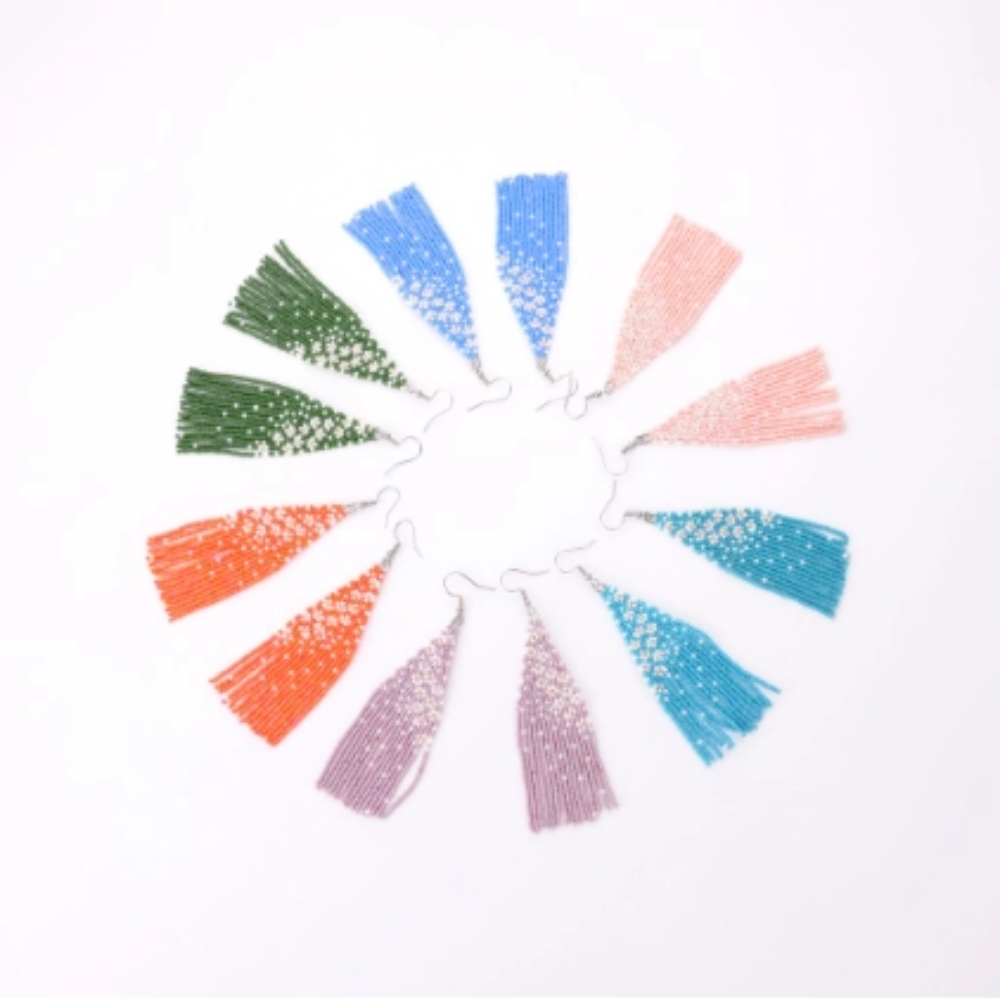
How Should Jewelry Brands Evaluate OEM and ODM Manufacturing Support?
OEM and ODM are not just service labels. They affect how much work your own team needs to do before production. If your design is already finished, OEM may be enough. If you only have a concept or trend direction, ODM support can help fill the gaps.
OEM Support for Existing Designs
An OEM handmade jewelry manufacturer for jewelry brands should follow your confirmed design, material, size, color, and packaging needs. This is useful when you already have a signature style and need repeatable production.
Before ordering, ask how the supplier handles sample approval, color confirmation, material changes, and inspection notes. These small details can prevent many later disputes.
ODM Support for Trend-Led Development
ODM is better when your brand needs new ideas or seasonal styles. The supplier should help with design direction, material matching, sample making, and production planning.
For handmade jewelry, ODM support is especially helpful because the finished look often depends on small craft decisions: bead size, pattern density, tassel length, color contrast, and metal fitting choice.
Sample Making, Photography, and Packaging Support
A product is not ready for sale after production alone. Many buyers also need samples for approval, product photos for listings, and packaging that matches their brand image. If one supplier can handle these parts, communication becomes easier.
This is useful for small teams managing several collections at once.
Why Does Quality Control Matter When Scaling Handmade Jewelry?
Handmade jewelry can have small natural differences, but wholesale buyers still need clear limits. Loose threads, missing beads, uneven tassels, unstable hooks, color mismatch, and rough finishing can all affect customer experience. That is why quality control for handmade jewelry manufacturing should be checked before the order is placed.
Raw Material Checks Before Production
Material checks should cover beads, findings, threads, coatings, colors, surface finish, and any parts that touch the skin. If the material is unstable, the final product will be hard to control.
A buyer should ask whether the supplier checks materials before production, not only after the goods are finished.
Production Monitoring and Final Inspection
A reliable Handmade Jewelry Manufacturer should compare production pieces with the approved sample. For beaded earrings, this includes pattern, color, tassel fall, hook position, surface finish, and packing condition.
Final inspection should not be a quick look at the carton. It should focus on the details that affect real selling and wearing.
Buyer Questions Before Order Confirmation
Before confirming a custom order, ask for sample photos, material notes, packaging options, expected communication steps, and inspection standards. These questions are simple, but they help both sides work with fewer surprises.
| Risk Before Bulk Order | What Buyers Should Confirm |
|---|---|
| Sample and bulk goods look different | Confirm bead color, pattern direction, tassel length, and metal finding type in writing |
| Product looks good but feels uncomfortable | Check weight, hook shape, back side finish, and wearing movement |
| Packaging does not fit the retail channel | Confirm card, pouch, box, label, and shipping protection before production |
| Quality standard is unclear | Ask how the supplier compares bulk goods with the approved sample |
For buyers planning colorful beaded earrings, boutique accessories, festival jewelry, resort collections, or art-led seasonal lines, LANCUI is more suitable for projects that need visible handwork and flexible design development. If your order only needs plain metal parts with no handmade detail, this type of supplier may not be the most direct match. But if your collection depends on beadwork, tassels, color layout, sample adjustment, packaging, and repeated small design changes, a Handmade Jewelry Manufacturer with OEM and ODM support will usually make the project easier to control.
Contact and Project Discussion
If your team is checking a handmade beaded earring line, preparing a seasonal drop, or comparing OEM and ODM options, it is better to share design references, target market, order plan, packaging needs, and quality concerns early. LANCUI’s contact page can be used to discuss samples, materials, product direction, and production details before moving forward.
FAQ
Q: How do I choose the right Handmade Jewelry Manufacturer for custom collections?
A: Choose a Handmade Jewelry Manufacturer that can support design development, material sourcing, sampling, production control, and inspection. Do not judge only by product photos. Ask how the supplier controls handmade details during bulk production.
Q: Is handmade jewelry suitable for wholesale orders?
A: Yes, if the manufacturer has trained workers, approved samples, material checks, and clear inspection steps. Handmade does not mean uncontrolled. It means the work needs closer management.
Q: Should I choose OEM or ODM for a handmade jewelry project?
A: Choose OEM if your design is already complete. Choose ODM if you need help turning a theme, market idea, or seasonal direction into finished products. Many jewelry brands use both, depending on the project stage.