When building a daily jewelry collection, color choice can decide whether an accessory becomes a one-time purchase or a piece customers wear repeatedly. For wholesale buyers, finding the right balance between visual appeal, outfit compatibility, and product consistency is an important step before developing a collection.
LANCUI develops jewelry and accessories with beadwork, hand-woven details, stainless-steel elements, and everyday styling in mind. With more than a decade of handmade jewelry experience, the company combines designers, prototype makers, production teams, packaging support, and OEM/ODM services for brands and retailers. Its range gives buyers room to compare color, scale, material balance, and wearability across a coordinated collection. For more ideas on how accessories connect with different wearing occasions, you can also refer to How to Style Beaded Jewelry for Different Occasions in 2026: From Casual to Formal.
Why Do Low-Saturation Colors Work in Daily Jewelry?
They Add Detail Without Taking Over the Outfit
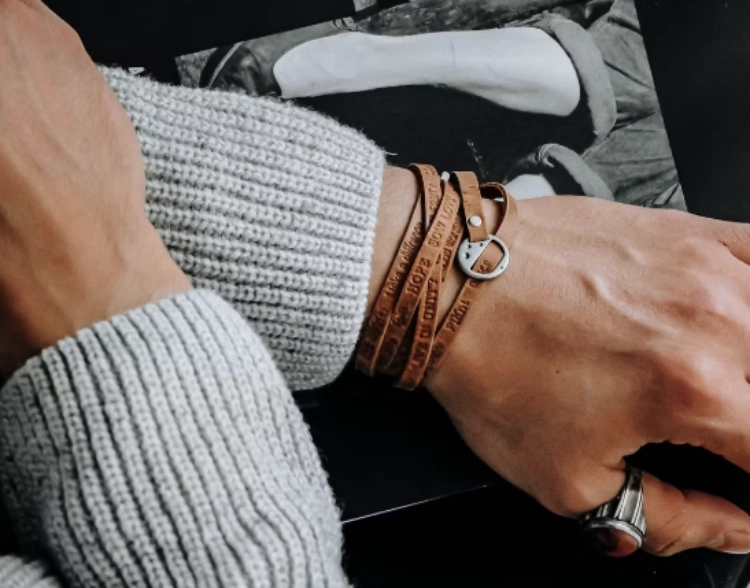
For Japanese Korean jewelry wholesale, the real test is whether a piece can live with clothes a customer already wears. Low-saturation colors bring a small point of interest to a white shirt, knit top, denim, or simple dress without asking the wearer to rebuild the outfit around one accessory. The color is there, but it leaves room for the face, fabric, and pattern. That is why the palette suits an everyday range. A retailer can show the pieces beside work clothes, coffee-meeting outfits, travel layers, and ordinary weekend clothing instead of reserving them for one event or season.
They Give Customers More Ways to Repeat a Purchase
A bright statement color may win attention in a photograph, while a subdued color often gets more chances to be worn. Customers notice whether an earring, bracelet, or necklace sits naturally with the clothes already in their wardrobe. A piece that moves between warm and cool neutrals, soft denim, and muted prints is more likely to enter a weekly rotation. For a buyer planning a daily outfit jewelry collection, that repeat-wear question matters more than whether one item looks dramatic in a catalogue image. The low-saturation jewelry wholesale brief should name the outfits and occasions the range needs to serve, then keep an approved color relationship for repeat orders. That gives the palette a practical test beyond one photograph.
The Palette Still Needs a Clear Point of View
Low saturation does not ask every color to become faded or vague. A collection still needs a readable relationship between the base color, bead color, metal detail, and shape. A little more warmth here, a sharper contrast there, or a change in scale can keep a calm Japanese Korean style accessories line from becoming a pile of unrelated neutral items. The brief should say which details are meant to recede and which ones must remain visible. Designers can then vary the range without losing its daily-wear character, while the buyer can approve one reference sample for comparison.
How Should Buyers Build a Japanese Korean Jewelry Wholesale Palette?
Start With the Customer’s Existing Clothing
Begin with the clothes customers are likely to wear, then work back to the jewelry colors. Black, white, gray, navy, denim, muted green, soft pink, and warm brown each create a different matching situation. There is no need to collect every shade. A tighter palette is easier for a retailer to explain and easier for a customer to combine. Think about outfits, not isolated color cards. Could the same necklace sit with a work blouse and a weekend T-shirt? Can a bracelet share the wrist with a watch without making the look noisy? Sample review keeps low-saturation jewelry wholesale tied to those real wardrobe questions and gives the production team a clear color brief.
Use Scale and Shape to Control Color Strength
The same low-saturation color can feel strong in a large pendant or a dense bead pattern. A small repeated bead, by contrast, can bring color in a quieter way. Look at shape, spacing, surface finish, and the open space around the motif at the same time as the color. This matters particularly with seed bead pieces. The buyer should inspect the woven pattern at its finished scale, not decide on the palette from one enlarged close-up.
Build Coordinated Sets Without Making Them Identical
Use a shared heart motif, bead family, or color relationship across earrings, a bracelet, and a necklace, while leaving customers free to wear one piece at a time. The range can work like a small wardrobe system: a customer starts with one item and adds another after seeing how the two relate. This also gives a wholesale display a clear shape. The buyer has one story to tell, but differences in size and placement stop the items from looking copied. Japanese Korean style accessories are easier to sell when every piece has a role, such as a small gift, a workday accent, or a layering option. Record the shared motif and approved color relationship so later samples can be checked against the same collection logic.
Which Products Fit Everyday Japanese and Korean Styling?
Heart Earrings for a Small Facial Accent
The Japanese Miyuki Seed Bead Heart Earrings give a collection an earring option that can carry a small motif close to the face. When presented in a restrained palette, the shape can support a work outfit without becoming a formal statement piece. Retailers should review the visible scale, color contrast, and wearing comfort together. Customers often decide about earrings quickly because they sit in the first area people notice, so the product image and description should make the proportion clear.
Heart Bracelets for Layering and Gift Purchases
The Japanese Miyuki Seed Bead Heart Bracelet can serve customers who prefer a smaller, more personal accessory. A bracelet may be worn alone, next to a watch, or with another fine piece. That makes its color and surface detail important even when the product is not the first thing visible in an outfit. For a Japanese Korean jewelry wholesale range, use the bracelet to create a lower-commitment entry product while keeping a clear relationship with the earring and necklace designs. Everyday minimalist jewelry earns repeat wear when its edges, weight, and color remain comfortable beside a customer’s usual watch or bracelet.
Heart Necklaces for a Clearer Center Point
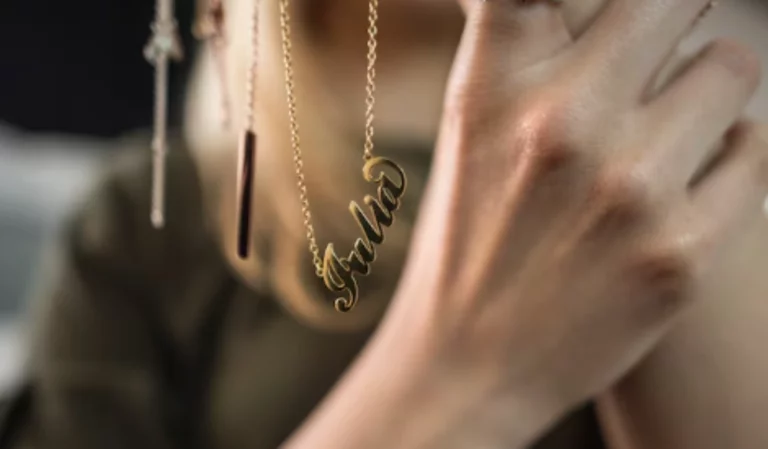
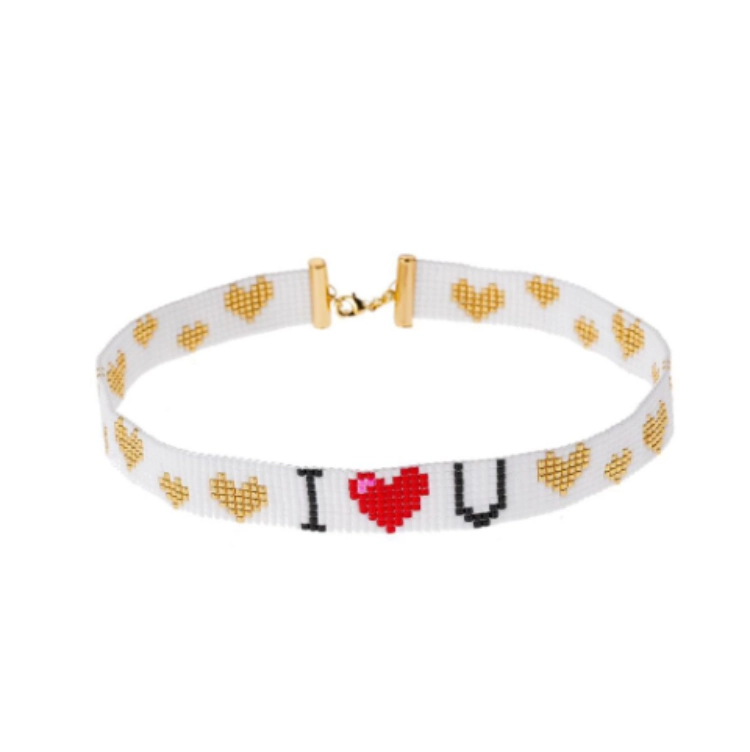
The Japanese Miyuki Seed Bead Heart Necklace gives the customer a piece that can sit over a shirt, knit, or simple dress. The buyer should consider neckline compatibility, chain or cord visibility, pendant position, and how the color reads against common wardrobe fabrics. A necklace can be the strongest piece in a coordinated set because it occupies more visual space. It should have enough definition to be noticed while keeping the low-saturation direction intact.
What Should Retailers Check Before Ordering Low-Saturation Jewelry?
Muted colors may look different in a bright studio image, a store display, and a customer’s home. Review samples under neutral light, and note the background used in product photography. Record the approved color name or code, light source, background, finished dimensions, and the approved relationship between bead, metal, and pendant. When the range will be sold in several markets, keep product images and written names consistent so customers know what tone to expect. For everyday minimalist jewelry, record the approval conditions so the same tone can be checked during production and on a repeat order.
Check Bead Alignment and Motif Clarity
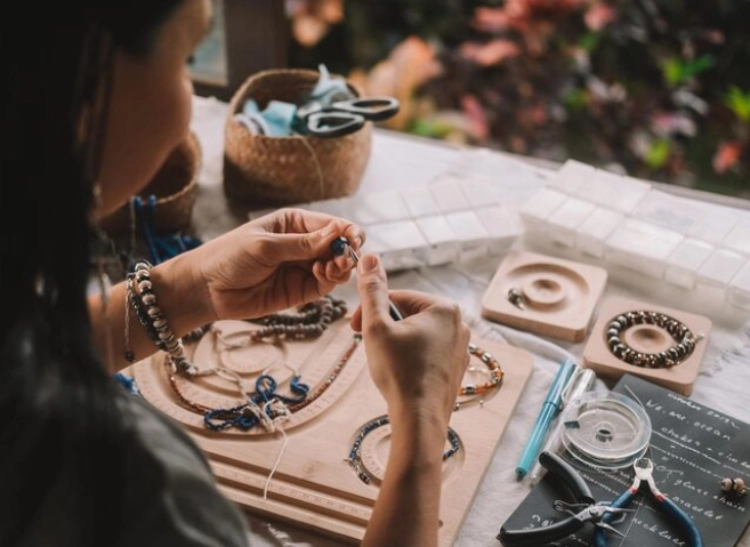
Review hand-woven beadwork at the scale a customer will see on the body. Look at whether the heart or other motif stays readable, whether the rows line up, and whether the edge remains controlled. Handmade work should retain its human character, but the buyer should distinguish acceptable surface variation from a change that affects motif clarity, dimensions, or wearing comfort. The retailer can then place the piece in a daily collection, a gift edit, or a more expressive seasonal display with an honest product description.
Check the Manufacturer’s Design and Production Support
LANCUI grew from cross-cultural collaboration in Yiwu and offers OEM and ODM services for handmade jewelry designers, brands, and retailers. Its work brings together designers, prototype makers, production teams, and packaging support. The company’s quality process includes raw-material checks, production monitoring, final-product inspection, and reporting and feedback; its knowledge materials also identify BSCI certification and more than a decade of experience. Buyers should still confirm the actual sample, materials, color approval, dimensions, acceptable variation, packaging, and order requirements for the intended collection. For Miyuki seed bead jewelry wholesale, keep the approved motif and color reference beside the purchase brief.
Conclusion: Quiet Color Needs Deliberate Product Planning
Use Color to Support Daily Wear
A low-saturation palette works when it adds detail to clothing customers already own. It should feel visible enough to have a point of view and quiet enough to be worn repeatedly. A daily outfit jewelry collection benefits when that balance is stated clearly before the first sample is approved.
Build a Set Around a Shared Motif
Earrings, bracelets, and necklaces can share a heart motif or bead relationship while keeping different roles in the outfit. That gives retailers a coordinated story without forcing customers to buy a complete set. For Miyuki seed bead jewelry wholesale, keep the motif and approved color relationship fixed while allowing size, placement, or layering combinations to vary.
Color, bead alignment, scale, finish, and comfort should be checked on the real piece under the recorded lighting conditions. Keep one approved reference sample for the palette, motif position, finished dimensions, chain or cord details, and packaging presentation. Choose this direction when customers regularly wear neutral clothing, denim, knitwear, or simple work outfits. If the palette, product role, or sample standard is not agreed before production, the collection is not ready for bulk release.
Contact LANCUI About Japanese Korean Jewelry Wholesale
Share the Palette and Customer Profile
Describe the clothing colors, customer age group, price position, and daily occasions the collection should serve.
Discuss Beadwork, Motifs, and Coordinated Sets
Confirm the sample details, color relationships, product types, packaging, and how the pieces should work together.
Review Wholesale Development Options
Use the LANCUI contact page to discuss Japanese Korean jewelry wholesale and product development. Share the target clothing colors, customer profile, product roles, approved sample reference, dimensions, packaging expectations, and the checks required before bulk production.
FAQ
Why Are Low-Saturation Colors Useful in Japanese Korean Jewelry Wholesale?
Japanese Korean jewelry wholesale collections with low-saturation colors can fit daily outfits, including neutral clothing, denim, knitwear, and simple workwear. The palette still needs enough contrast and shape to remain recognizable. Buyers should approve the color relationship and finished sample before committing to a repeat order.
How Many Products Should a Coordinated Jewelry Set Include?
There is no fixed number. Earrings, a bracelet, and a necklace can create a clear starting set when they share a motif or bead relationship. Each piece should still have a separate role so customers can wear it alone or combine it with other accessories.
What Should Buyers Check in Miyuki Seed Bead Jewelry?
Check the color under realistic lighting, the alignment and clarity of the woven motif, the finished scale, wearing comfort, packaging, and the manufacturer’s sample approval process. Keep the approved motif, bead colors, dimensions, and reference sample with the purchase brief so the actual piece can be compared before bulk release.