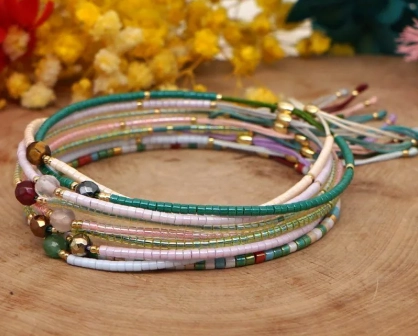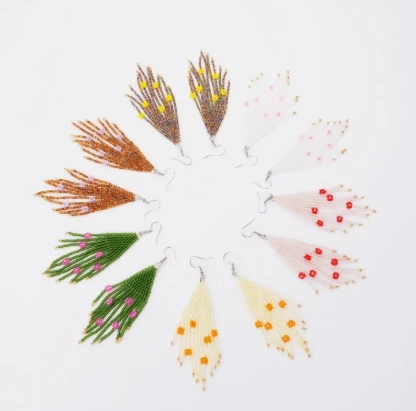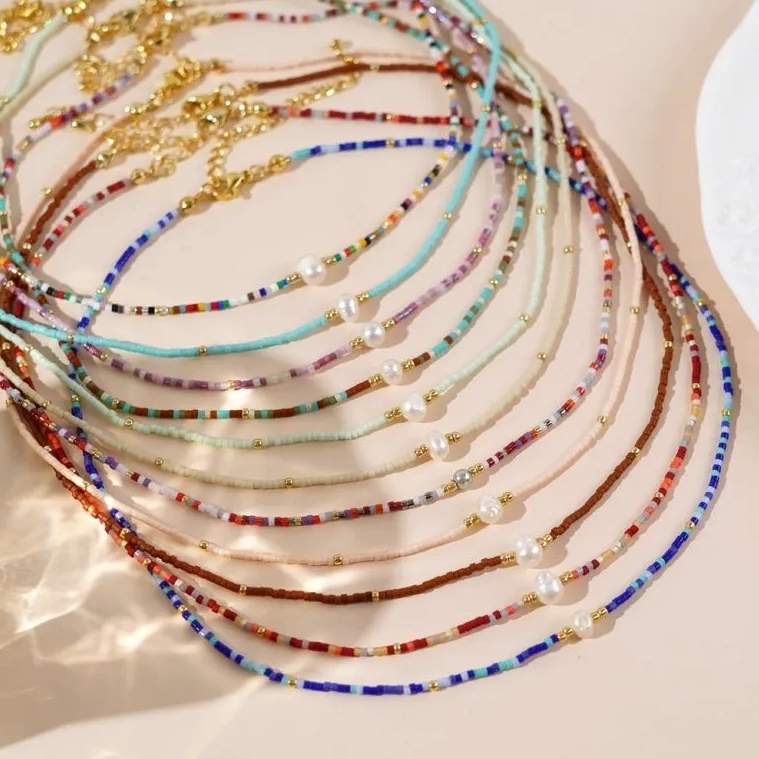
Seed beads might be tiny, yet their effect on handmade jewelry is far from small. From shade richness to everyday comfort, picking between glass and plastic seed beads really shapes how a completed item appears, touches, and holds up as time goes on. For jewelry labels and creators partnering with makers like LANCUI, choices about materials go beyond just creativity. They shape views on quality, price plans, green aims, and lasting brand worth.
Knowing the strong points and weak spots of glass and plastic seed beads aids labels in picking wisely while building products. The next outline checks both options from a hands-on, making-level angle. It pulls from actual factory know-how and buyer wants.
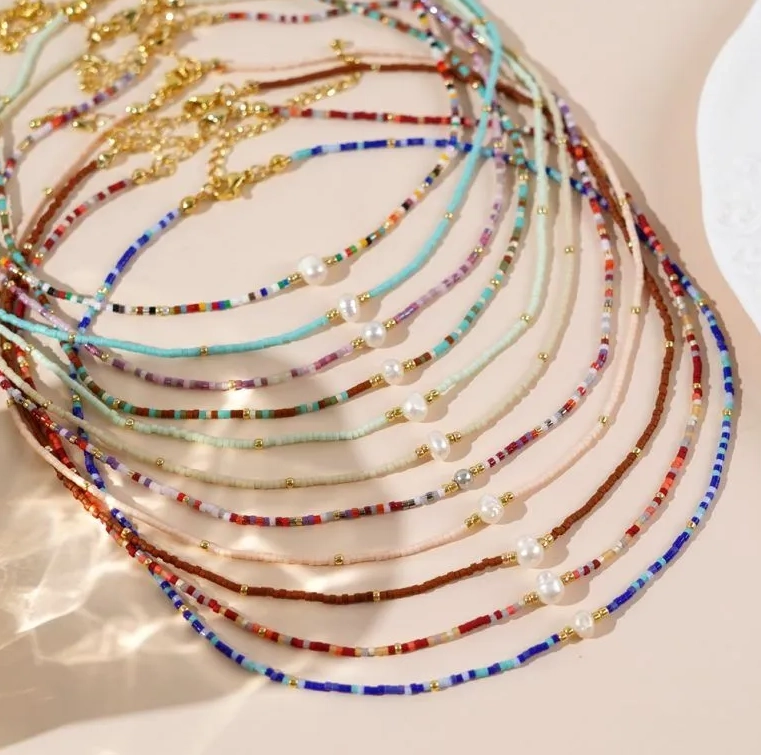
What Are the Main Differences Between Glass and Plastic Seed Beads?
Prior to weighing upsides and downsides, it’s useful to explain what truly sets glass seed beads apart from plastic ones in routine making and use. These gaps extend past looks and touch into getting supplies, skill work, and what buyers expect.
Material Composition and Manufacturing Processes
Glass seed beads come from heating silica-based stuff at very high heat, and then slicing or forming them into even forms. This method builds beads with firm build, steady hue, and extended use span. Labels aiming at top-tier handmade jewelry often pick glass for these qualities.
Plastic seed beads usually get made from acrylic or resin via injection forming. The way is quicker and less pricey, which is why plastic beads show up a lot in basic lines or promo jewelry. Still, the stuff acts quite differently after it exits the plant.
Visual and Textural Differences in Jewelry Pieces
Glass beads bounce light in a more organic manner, so hues seem fuller, and surfaces like dull, see-through, or shine-layered remain steady even following heavy use. That’s why plenty of free-spirited and craft-style setups lean on glass beads so much.
Plastic beads often seem less lively. In bright light, the outer layer might look flat or too glossy, based on the cover. The feel is also lighter and at times empty inside, something sharp-eyed shoppers spot fast.
Cost, Weight, and Sustainability Considerations
Plastic beads cost less and weigh little, so they cut near-term expenses. Glass beads run higher per piece and bring more heft, particularly in stacked chains or big hoops. When it comes to green factors, glass can be reused and fits better in earth-friendly markets, whereas plastic worries many sellers and shoppers.
Pros of Glass Seed Beads in Handmade Jewelry
Glass seed beads stay the prime pick for lots of solid jewelry labels, above all those aiming at middle- to upper-range markets. Their perks show up more clearly when items get to actual users.
Durability and Longevity
Glass beads keep their form nicely and stand up to routine handling. They won’t warp, get soft, or scratch without effort. If strung or sewn right, glass bead jewelry can endure for seasons without clear signs of wear. Such toughness matters for labels seeking loyal buyers, not just flash-in-the-pan goods.
Rich Color and Uniformity for Intricate Designs
Glass beads give solid hue steadiness, so motifs hold crisp, and shade shifts appear smooth even in tricky setups. Labels dealing with fine bead patterns, like dangling hoops or shape-based chains, gain from this evenness.
LANCUI’s lines with Miyuki and other fine glass beads make this plain. Items such as free-spirited beaded hoops or color-spectrum chains depend on exact measures and hue match, areas where plastic beads often fall short.
Eco-Friendly and Recyclable Option
Glass gets seen as a purer pick for materials. It skips shedding tiny plastic bits while worn and recycles simpler at life’s end. For labels selling to Europe, the US, or Japan, this counts. Lots of shoppers now quiz about stuff before buying, especially in craft or handmade groups.
Pros of Plastic Seed Beads in Handmade Jewelry
Even with their flaws, plastic seed beads hold a spot in some product ranges. When picked on purpose, they back certain style and cost targets.
Lightweight and Affordable Choice
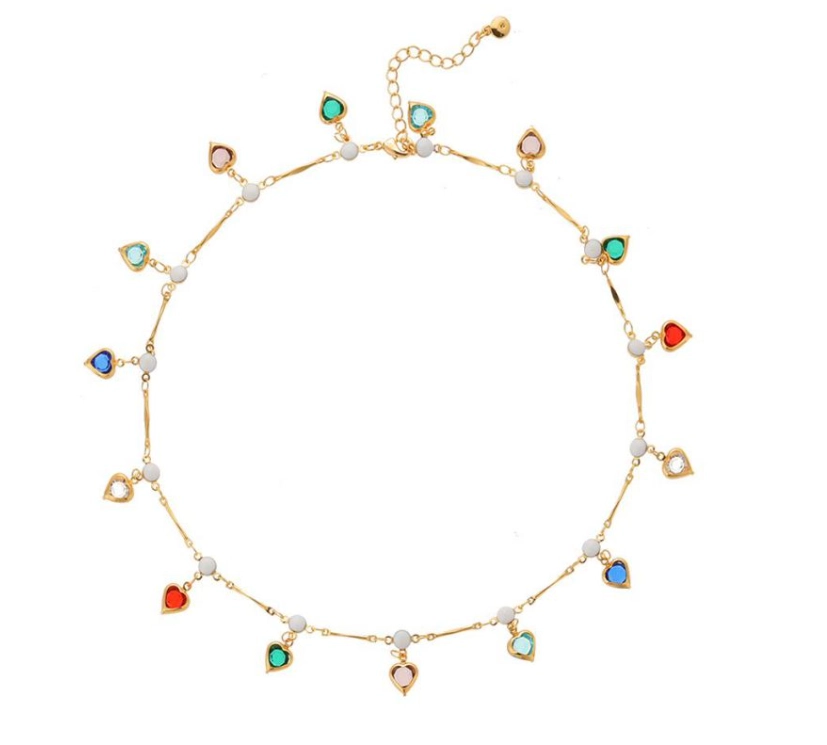
Plastic beads weigh next to nothing, making them handy for big designs where mass might cut comfort. They also hold down stuff costs, so labels can try fresh looks without big spending.
Flexible Options for Bold and Playful Styles
Plastic beads shape easily into vivid shades and odd forms. For fun jewelry, time-bound pieces, or kid gear, this bendiness helps. Some style-savvy lines use plastic beads for quick fad runs instead of enduring pieces.
Easy for Beginners and Casual Projects
For starter handmade ranges or make-your-own goods, plastic beads ease the task. They forgive slip-ups in putting together and break less in making. Thus, they suit newbie sets or safe shop trials.
Cons of Glass Seed Beads
Though they have clear wins, glass beads aren’t flawless. Grasping their limits aids in dodging issues while planning and making.
Potential Fragility in Daily Wear
Glass might nick or split if treated harshly. Setups with free swing or often bumped spots call for smart building. Bad putting together, rather than the bead, usually causes the trouble.
Higher Cost and Heavier Weight for Larger Pieces
Glass beads raise stuff cost and pack-on weight for sending. In grand show-off items, this hits price and move plans. Labels must weigh style drive against ease and haul smarts.
Requires More Skill for Complex Crafting
Glass bead tasks need practiced workers. Pull management, string pick, and weave method all play in. Here, a proven maker like LANCUI proves key, since able craftsfolk cut flaw chances and hold setups steady in bulk.
Cons of Plastic Seed Beads
Plastic beads seem straightforward, but their downsides surface fast once goods hit sales spots.
Less Durable and Color-Fast Over Time
Plastic beads might dull, mark, or twist in warmth. Following much use, shades can drop vibrancy, mainly in sunny or damp spots. This brief life hits user joy.
Can Look Cheaper in Finished Jewelry
Even smartly built plastic bead jewelry often feels thinner. Shoppers who prize craft skill link plastic to lesser grade, right or wrong.
Environmental Concerns
Plastic beads spark green worries. They recycle tough and add to drawn-out trash. For labels framing as fair or earth-smart, plastic can blur brand talk.
How LANCUI Uses Seed Beads to Balance Quality and Aesthetics
Just choosing stuff doesn’t set quality. How those supplies get sourced, managed, and put together counts as much. This spotlights LANCUI’s making style.
LANCUI’s Quality Standards and Material Selection
With more than ten years in handmade jewelry making, LANCUI uses tight supply checks and grade tests. Glass seed beads get picked for measure correctness, hue steadiness, and outer polish. Every making step gets watched to limit changes, particularly in big runs.
Examples of LANCUI Glass Bead Jewelry Collections
LANCUI’s free-spirited hoops, half-precious rock bands, and Miyuki bead chains display how glass beads back both flair and toughness. These goods aim at global labels wanting steady grade over times, beyond just good-looking trials.
Sustainable Jewelry Practices in Production
Glass beads match LANCUI’s green path well. Paired with smart packing and smooth making schedules, they aid labels in cutting trash and hitting buyer hopes without losing style room.
Conclusion
Picking between glass and plastic seed beads isn’t about good or bad. It’s about aim. Glass beads back enduring, fine-tuned, and label-centered jewelry lines. Plastic beads suit quick trends and cost-watch projects.
For labels teaming with LANCUI, stuff picks draw from true making insight, not hunches. By linking bead kind to style aims and buyer needs, handmade jewelry can remain pretty, comfy, and sales-smart.
FAQ
Q1: Are glass seed beads always better than plastic ones?
A: Not always. Glass beads offer better durability and appearance, but plastic beads can work for lightweight, trend-driven, or entry-level products.
Q2: Does glass bead jewelry feel heavy to wear?
A: When designed correctly, glass bead jewelry remains comfortable. Experienced manufacturers balance bead size, structure, and layout to control weight.
Q3: Can LANCUI help choose the right bead material for a new collection?
A: Yes. LANCUI supports brands during material selection and prototyping, helping match bead types to design goals, price range, and target market.